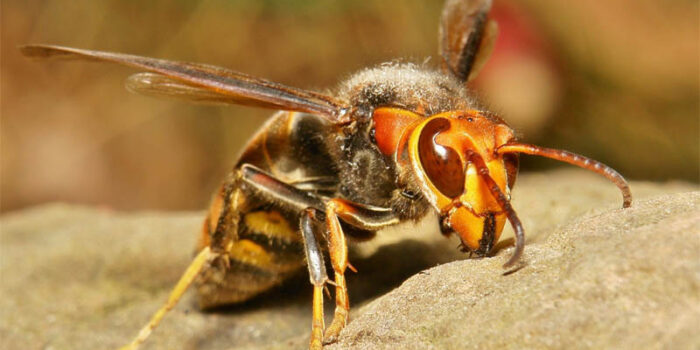
Among all animals on the planet, insects are the most diverse group, with an estimated six to ten million species. Some of these deadly insects can pose serious risks to humans. Below is a list of the top 10 deadly insects in the world.
1. Brown Recluse Spider – One of the Most Deadly Insects with a Dangerous Bite
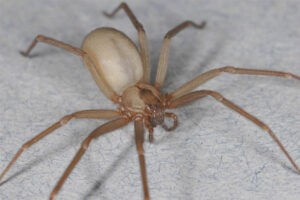
The brown recluse spider is perhaps the most fatal of all the creatures on this list. This noxious brown recluse spider is not aggressive. If this spider is on fabric, its teeth are too small to penetrate most fabrics. The bite of this fatal insect is not felt immediately because it is not painful. Brown Recluse Spiders are usually between 6 and 20 millimeters, but they may grow larger.
The fatal Brown Recluse Spider’s stance on a flat surface is usually with all legs radially extended.
2. Black Widow Spider – A Venomous and Deadly Insect Known for Its Toxic Bite
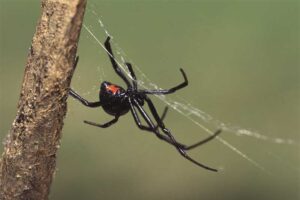
Black widow spiders are distinctive-looking spiders with colorful patches on their otherwise black bodies, warning of the venom they carry. This deathly spider’s bite is greatly feared. The elderly and the very young can die from the bite of a black widow, although no deaths from black widow bites have been reported in the USA since 1983.
This deathly Black Widow Spider is a comb-footed spider…
Creatures like this are often listed among some of the fiercest animals in the world.
3. Killer Bees (Africanized Honey Bees) – Highly Aggressive and Deadly Swarm Attackers
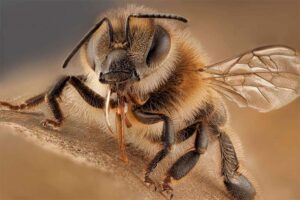
These malignant Africanised honey bees are dangerous stinging insects that have been known to chase people for more than a quarter of a mile once they become excited and aggressive. That is why this malignant insect earned the nickname ‘’killer bees’’. The Africanised bee is a hybrid species of the Western honey bee.
Some of these malignant bees escaped from the ‘’control zone’’ in which they were being kept and studied, and it is these swarms that are slowly but steadily sweeping all over the world. Many people die from the bite of this killer bee. The estimated range is 50 to 100…
4. Fleas – Tiny but Dangerous Insects That Spread Deadly Diseases
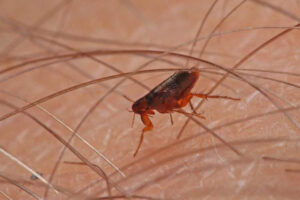
Human blood is particularly attractive to fleas, and they will readily leap onto the nearest available person whenever possible. The harmful Fleas are hardy creatures, and these destructive fleas are some of the best ‘’jumpers’’ in the world, able to jump more than 150 times their body length. Fleas are carriers of all sorts of bacteria, including bacteria that can cause disease in people. These destructive Fleas can also carry parasites, which they then transmit to their hosts.
Fleas can consume so much of a host’s blood that the host becomes very ill in many infestations…
5. Ticks – Silent Carriers of Deadly Infections
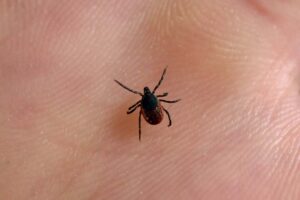
The harmful TICKS are actually arachnids, rather than insects. These ticks live on their host (usually animals), drinking their blood and growing fat. There are a huge number of poisonous diseases caused or carried by ticks. The malignant ticks don’t jump or fly. They crawl up low brush or grass to find a host. Ticks are adapted to feed for long periods of time.
The harmful Tick may pose a threat to our health, especially during the summer… when people- and pets alike spend an increased amount of time in the great outdoors……
Although it’s small in size, it causes many diseases like Lyme disease and Rocky Mountain spotted fever.
6. Locusts – Destructive Insects That Can Cause Massive Damage
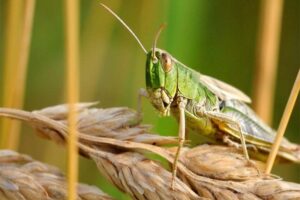
Scaly and repulsive, locusts are one of the most enduring creatures on the planet. These insects are usually solitary. Historically, people could do little to protect their crops from being devastated by locusts. The locust is large and easy to breed and rear, and is used as an experimental model in research studies. Locusts are considered a delicacy and are eaten in many African and Asian countries.
The migratory locust, sometimes classified into up to ten subspecies ….
A swarm of locusts can contain billions of insects.
7. Fire Ants – Small but Deadly Insects with Painful Stings
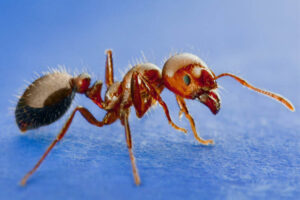
This name actually refers to several species of ant, most of which have a reddish or orange coloration and all of which offer a painful bite or sting. These life-threatening ants bite to get a grip on their victims. A fire ant colony produces large piles in open areas. These harmful ants are renowned for their ability to survive extreme conditions.
These ants tend to be very aggressive, and it is estimated that up to 60 percent of people who live in the ants’ habitat will be stung at some point…
8. Tsetse Flies – Deadly Insects That Spread Sleeping Sickness
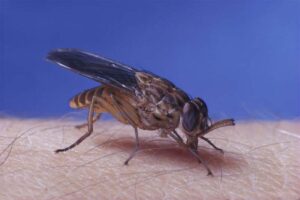
Tsetse flies are large, damaging flies that live in Africa and feed on blood. Tsetse flies fold their wings completely when they are resting, and they have a long proboscis; these are the two reasons that these flies are distinguished from other large flies. In much of southern and eastern Africa, tsetse was absent until colonial times. These damaging Tsetse flies can be seen as independent individuals in two forms: third-instar larvae and as adults.
It is believed that up to half a million people are affected by diseases caused by the bite of the tsetse fly and that up to 80 percent of these will die from the disease…
Diseases caused by such insects are also linked to some of the most deadly diseases in human history.
9. Japanese Giant Hornet – One of the Most Dangerous and Deadly Insects
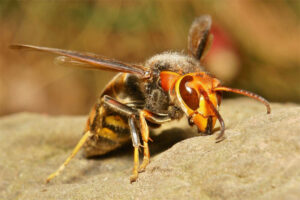
The hurtful Japanese giant hornet is a color variant of the world’s largest hornet. It has a large yellow head with large eyes, an abdomen banded in brown and yellow, and a dark brown thorax. This malignant Japanese Giant Hornet has three small, simple eyes on the top of the head between the two large compound eyes. The hornet is not particularly aggressive.
It can also cause allergic reactions, such as anaphylactic shock, that can be fatal. Some 30 to 40 people die from hornet stings every year….
10. Mosquito – The Deadliest Insect in the World
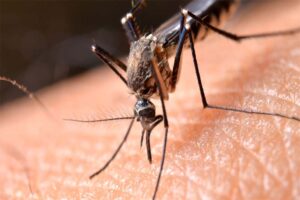
The terrible Mosquitoes have a segmented body, one pair of wings, three pairs of long, hair-like legs, feathery antennae, and elongated mouthparts. The huge range of diseases and parasites carried and passed along by mosquitoes could fill an entire book, but the best known include malaria, dengue fever, yellow fever, and dangerous Elephantitis just to name a few. An estimated 700 million people are infected every year by mosquitoes.
Mosquitoes’ mouthparts are very specialized, particularly those of the female, which are adapted to different species.
Small creatures like this prove that even the tiniest animals can be the most dangerous animals on Earth.
Deadly Insects and Their Threat Level
| Rank | Insect | Main Danger |
|---|---|---|
| 1 | Brown Recluse Spider | Necrotic venomous bite |
| 2 | Black Widow Spider | Neurotoxic venom |
| 3 | Killer Bees | Aggressive swarm attacks |
| 4 | Fleas | Spread deadly diseases |
| 5 | Ticks | Transmit infections like Lyme disease |
| 6 | Locusts | Massive crop destruction |
| 7 | Fire Ants | Painful stings and allergic reactions |
| 8 | Tsetse Flies | Cause sleeping sickness |
| 9 | Japanese Giant Hornet | Powerful venom and attacks |
| 10 | Mosquito | Deadliest disease carrier |
Frequently Asked Questions

SEO Expert | Founder of Depth World
Syed Aqib Bilal is an SEO & Digital Marketing Specialist and the Founder of Depth World. With extensive hands-on experience in search engine optimization, technical SEO, and content strategy, he specializes in building high-authority websites and driving sustainable organic traffic growth. Through Depth World, Bilal publishes well-researched, data-driven content focused on geography, world facts, natural wonders, and global discoveries.
With years of hands-on experience in search strategy, Bilal focuses on creating authoritative, reader-first content that simplifies complex topics and delivers accurate, research-backed information. His work aims to educate, inform, and make global knowledge accessible to everyone.
