Do you know plants can also kill humans? Yes, when human beings come in contact with venomous plants. It is because many plants generate different sorts of chemicals after coming into contact with animals or humans. In this way, plants indirectly get protection from animals and human beings. A lot of people died from just touching some specific plants. Today, we shall discuss the 10 poisonous plants in the world.
10: Suicide Tree (Cerbera odollam)
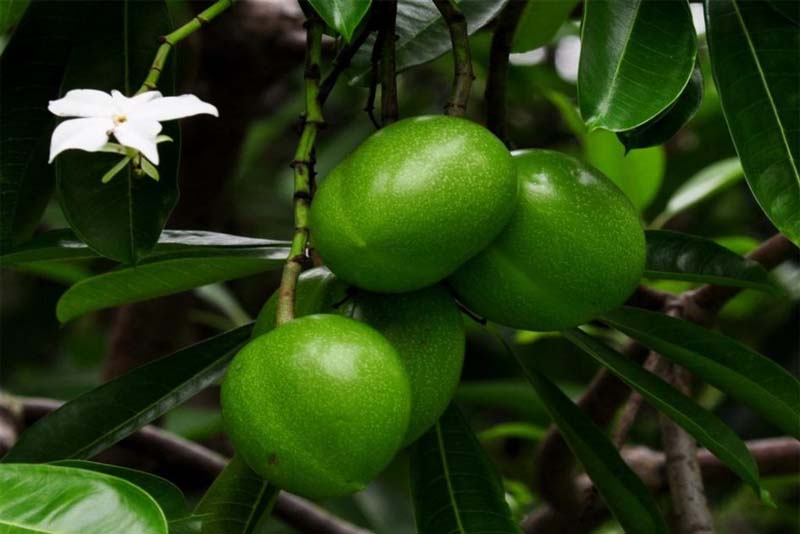
Cerbera odollam got the name of the Suicide tree because of its toxicity. Through its name, it is a little surprising how a tree can kill anyone, but many individuals have indeed lost their lives due to this plant. This plant species is found in India and also in some parts of Southern Asia. The suicide tree is responsible for almost 50 deaths in the Indian state of Kerala over a year. Its seed in the fruit is a high toxin that contains a powerful alkaloid, Cerberin.
One of the causes of its widespread use in spicy foods is that its taste can be covered easily. It is widely used for committing suicide or murder because cardiac glycosides block calcium ion channels in the heart muscle. Therefore, that causes fatal heart distraction. It consists of 10 poisonous plants in the world
9: White Snakeroot (Ageratina altissima)
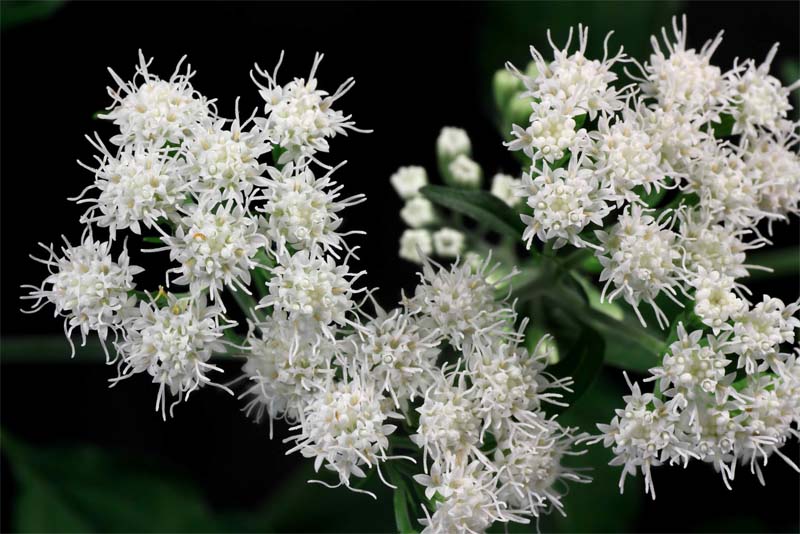
Ageratina altissima is a poisonous herb that grows in eastern and central North America. It is known as White snakeroot. It became popular because Abraham Lincoln’s mother died in 1818 from this poisonous herb. Tremetol is one of the toxins found in this plant that causes the reason of death, which is why it is classified as a poisonous plant.
Sometimes these plants are consumed by cattle such as cows and sheep, and then they mix in their milk or meat. Finally, it delivers to human beings. More than 10,000 people died because of “milk sickness” in the 19th century. Because of milk sickness, it was noted in the past that patients felt vomiting, weakness, pain, and the excessive result of poison created the condition of Coma and death.
8: Water Hemlock (Cicuta maculata)
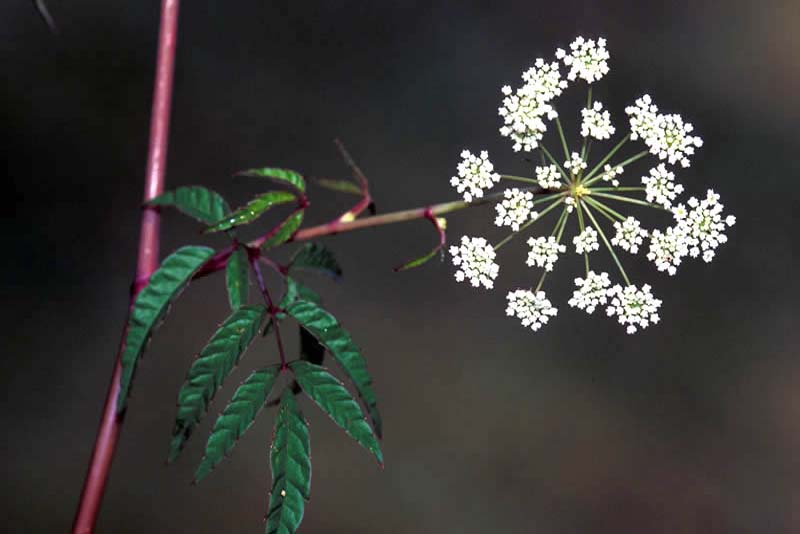
Cicuta Maculata comprises the most poisonous plants in the world. This toxic plant, generally known as Eater Hemlock produced in North America. It contains a dangerous toxin called cicutoxin. This toxin is a big reason for the breakdown of the nervous system, rapid attack, and tremors. Other symptoms also recorded as nausea, abdominal pain, and emesis. These indications in a person occur within one hour after consuming the plant. Its high dosage can lead to the rapid death of an individual. In the past, Greece used this plant for the death penalty for the culprit.
7: Nerium Oleander – One of the Deadliest Ornamental Plants
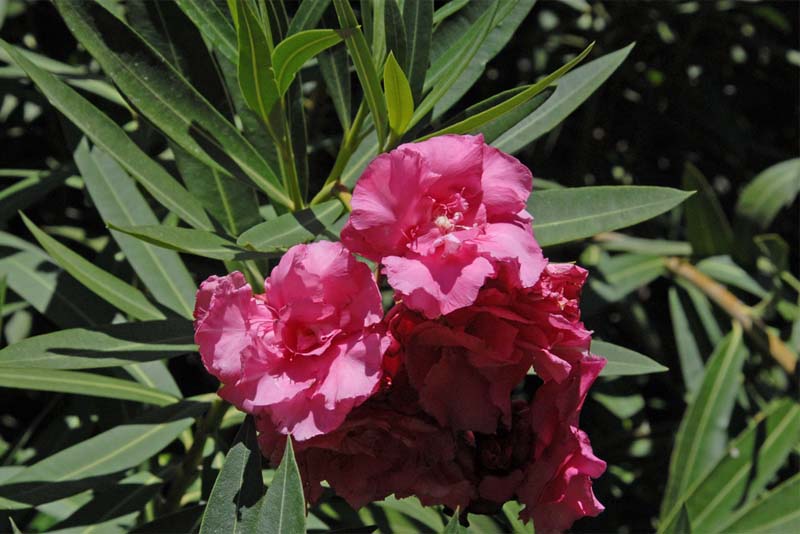
Perhaps the most poisonous plants are found on the planet because it’s each part contains poison. Nerium Oleander is a shrub related to the family of Apocynaceae. The two powerful venoms are contained side by side in this plant. It can become a person poisonous, who simply eats honey made by bees that took oleander nectar. Despite its fatal nature, this plant is widely used for decorative purposes. It generates an enchanting fragrance; however, animals stay away from it. Oleander is equally the poisonous plant in the world that is dangerous for humans and animals both.
6: Atropa Belladonna (Deadly Nightshade)
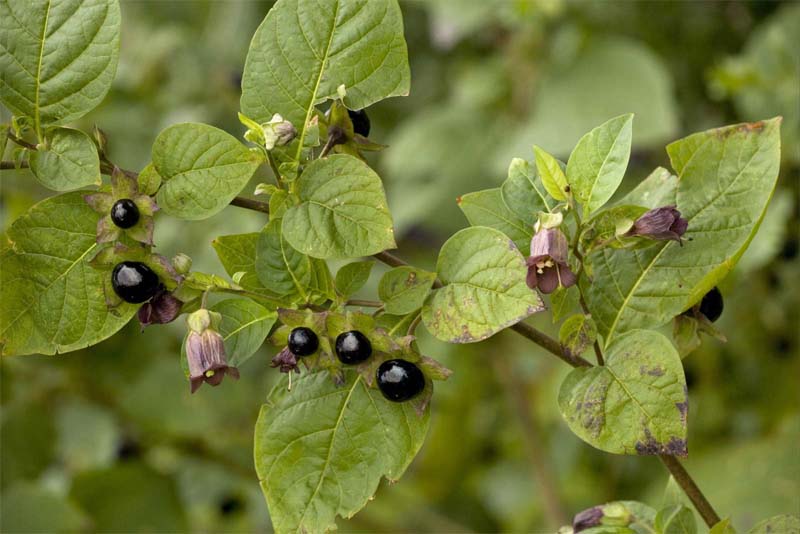
It is one of the poisonous plants that is called by the scariest name, the deadly nightshade. It grows 1.5 meters high above the earth. This can be recognized by the dull, dark green leaves and specific bell-shaped purple flowers. This plant contains a deadly poison that hits the nervous system and finally paralyzes the muscular system. It is a wild plant and native to Europe, North Africa, and western Asia. It counts in rare plants that are poisonous to human beings but safe for animals and birds.
Read More: 10 Best Fragrant Flowers for your garden
5: Castor Oil Plant – A Common Yet Highly Toxic Plant
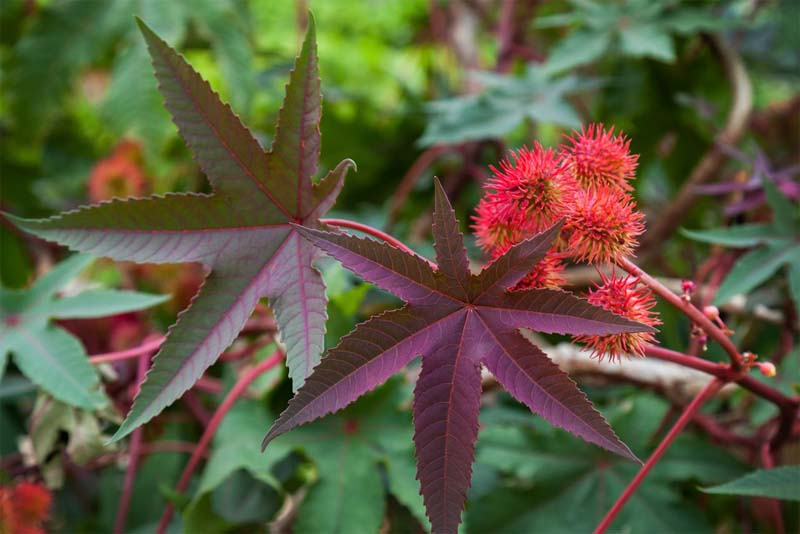
The castor oil plant first originated in Africa, but is now available worldwide. It produces a yellowish-green flower along the reddish mid part. Historically, castor beans have been used in ointments. Cleopatra also used this oil to make her eyelashes. You know about its use in cuisines also. Do you know that its seed is dangerous because to contains a poisonous element? Yes, it generates the most powerful poison; many people suffer from allergic reactions to its seeds’ dust. General symptoms recorded as nausea, cramps in the abdomen, vomiting, internal bleeding, and difficulty in breathing. Ultimately, that leads to kidney failure or even death. Hence, it is counted among the most poisonous plants.
4: Aconite – The Infamous Monkshood Poison
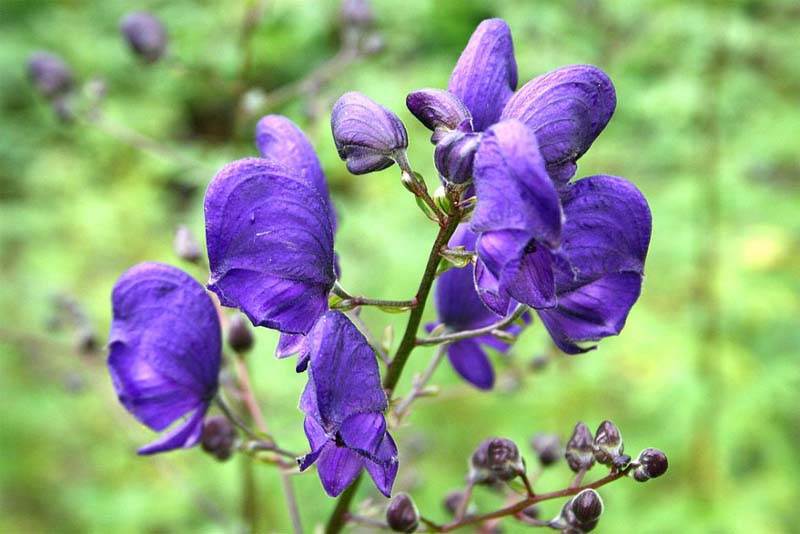
Aconite is a flowering plant that grows in the hilly areas of the Northern Hemisphere. This plant is wicked for “wolf’s bane“ or “leopard bane“ and is also called monkshood, which contains a poison alkaloid. Aconite’s roots and tubers are extremely poisonous by nature. Greeks used this poison to kill leopards and wolves, which is why it got the name after it, wolf or leopard bane.
It is a tall plant reaching 6 feet, so venomous that’s touch is also harmful. Aconite’s flowers look so adorable and attractive with mixed colors of white, blue, and purple. The unintentional consumption of these most poisonous plants leads to burns, vomiting, and diarrhea. The harsh conditions are noted as variations in blood pressure, irregular heartbeat, and even coma.
3: Rosary Pea – Small Seeds With Extreme Toxicity
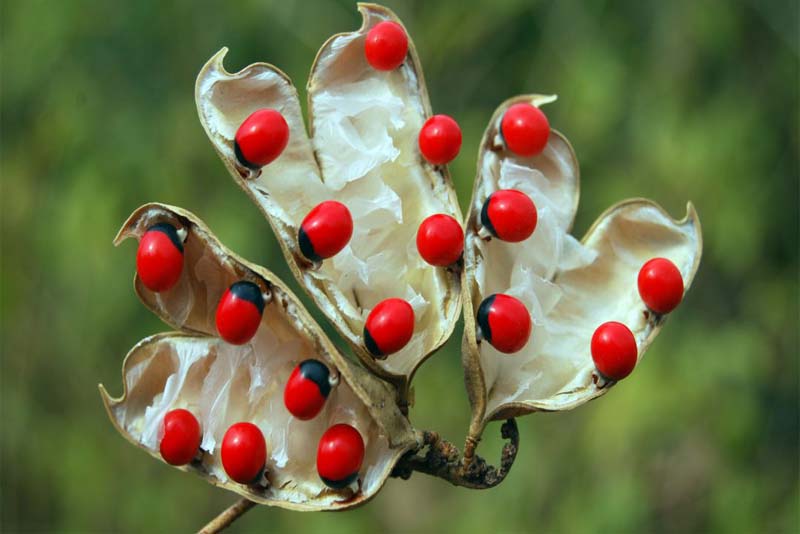
Rose pea grows in tropical climatic regions all over the world. Its eye-catching seeds are used as beads in Indian and Indonesian areas. Due to the presence of natural poison known as “Abrin,” these plants become poisonous. Abrin is present inside of seeds. Breaking shells can expose the abrin, which is reckoned this plant the most poisonous plant in the world.
If consumed mistakenly, abrin can bring severe changes to the human body. This toxin stops cells from producing valuable essential proteins. The symptoms noted in this condition such as difficulty in breathing, vomiting, diarrhea, dehydration, and pain in the eyes. The high potency of abrin exposure leads to death within 72 hours.
2: Rhododendron – Beautiful Flowers With Hidden Poison
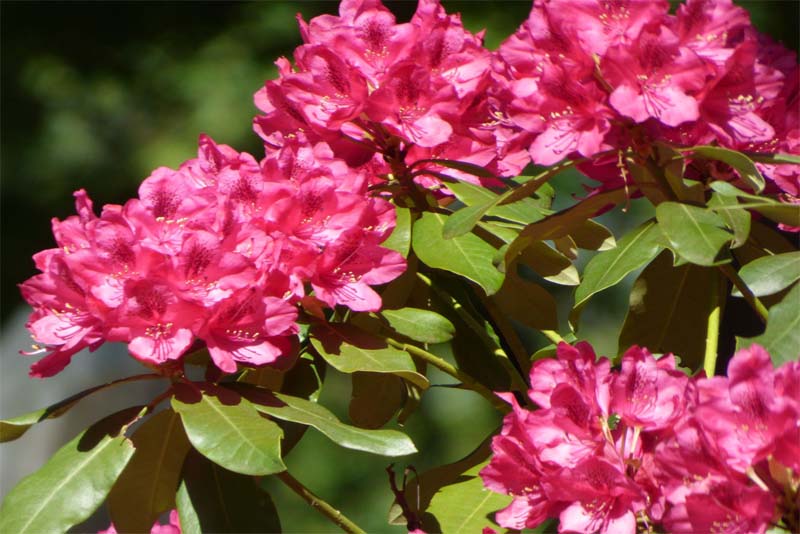
Rhododendron is an attractive spring-flowering plant that is native to Asian countries. In late spring, it blossoms with multiple colors of flowers that vary from pink, violet, red, yellow, and white. But most parts of the rhododendron plant hold deadly poison. Andromedotoxin, grayanotoxin, and rhodotoxin are major poisonous elements found within rhododendron plants. But the high potency of toxin elements is mostly available within the leaves of rhododendron.
Nausea, slow heartbeat, falling, and fatigue are several indications found within animals after consuming parts of the rhododendron. The accidental use of these plants also causes weakness, difficulty in breathing, loss of equilibrium, and salivation in humans. That’s why it counts the most poisonous plants all over the world.
1: Jimson Weed – A Dangerous Hallucinogenic Plant
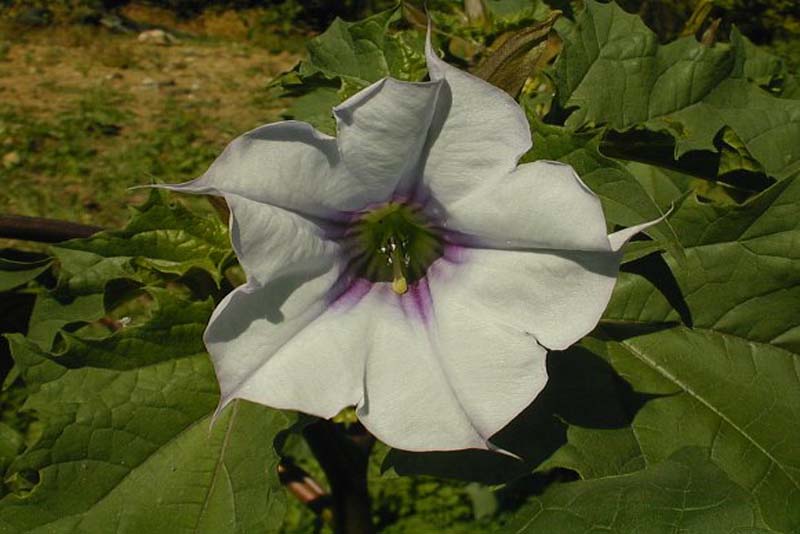
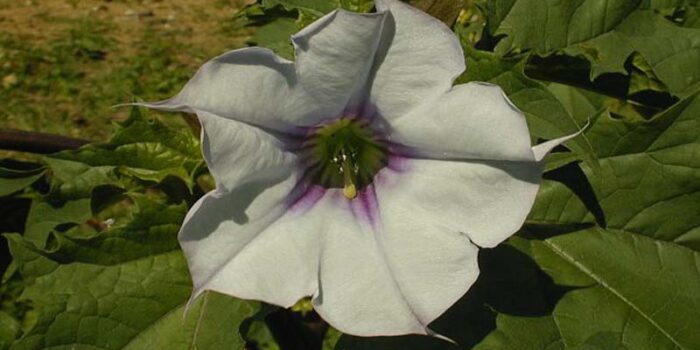
Jimsonweed is also notorious for devil’s weed, hell’s bells, and devil’s trumpet, which grows across the United States, Canada, and some islands of the Caribbean. The plant has the power to change mind states, act as a powerful hallucinogen.
But elements of poison can be seen inside most parts of Jimsonweed, mostly stored in leaves and seeds. Its plant grows up to a height of 3 to 5 feet, and its roots grow long. The leaves of these plants also have a length between 5 to 8 inches. Cream or violet colored fragrant flowers also bloom throughout the summer season. The toxicity in jimsonweed varies by the plant’s age, climate, and the place it belongs to. The careless usage, especially by sucking the juice of eating roots, leaves of Jimsonweed, will affect your nervous system, eyes, ears, throat, and mouth. Overdose also results in death.

