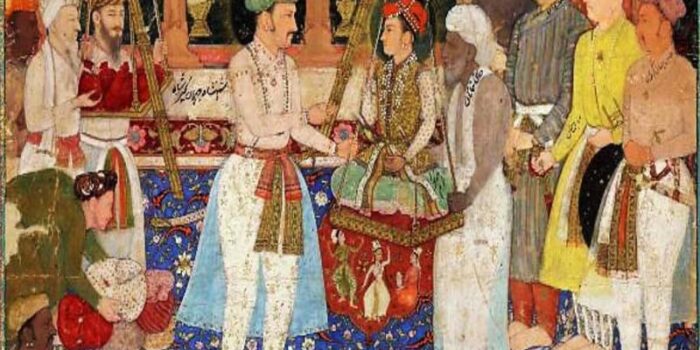
Empire means a sovereign state that is composed of nations that rule over other nations. In the past, these emperors ruled over the world. But the calculation of land areas is particularly controversial. Some empires were so dominant, vast, and influential over their splendid history. There are the top 10 largest Empires in history are presented here.
10: The Persian Empire: One of the Ancient World’s Greatest Powers
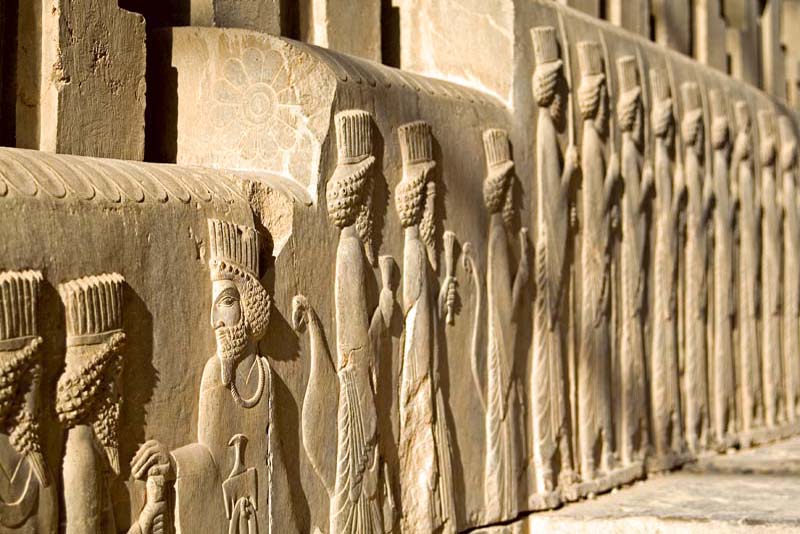
The Persian Empire is a sequence of imperial periods associated with Persia and Iran. The Achaemenid Empire was in the 6th century, and the Qajar Empire was in the 20th century. The Achaemenids created the first dynasty in the Persian Empire, Cyrus the Great established it, and it is known as the largest Empire in history. The Parthian Empire ruled here from 247 BC to 224 AD in the 7th century. The Safavid Empire was the greatest Iranian empire. It was established during the period of the Muslim conquest in Persia. Literature and art flourished in its era. After that, the Zands, Afshars, and Qajar empires ruled over there.
9: Spanish Empire: The First Global Empire
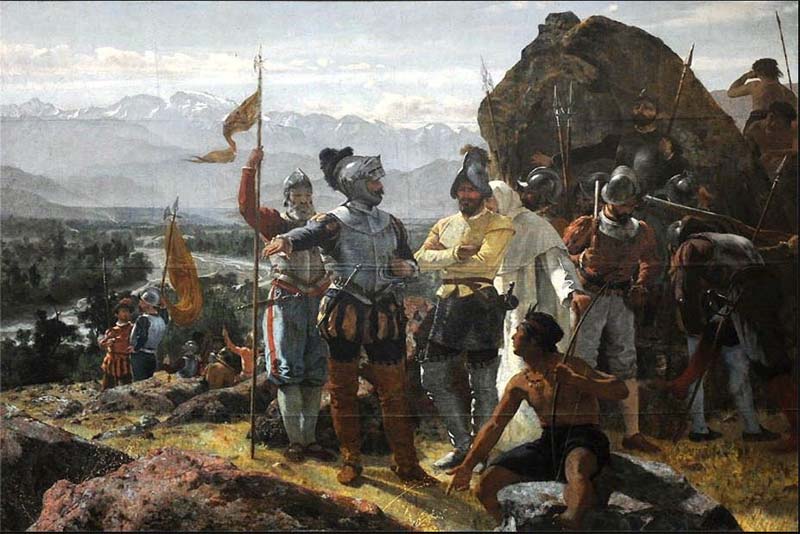
The Spanish Empire is one of the top 10 largest Empires in history. In the period of the 16th and 17th centuries, it reached the peak of armed forces and political and economic power under the rule of the Spanish Habsburgs. In the 18th century, it extended under the House of Bourbon. It became the largest empire in history. At that time, the Spanish empire became the prime global power, known as the empire in which the sun never sets. This empire’s period lasted from 1492 to 1975.
8: Umayyad Empire: A Rapidly Expanding Islamic Empire
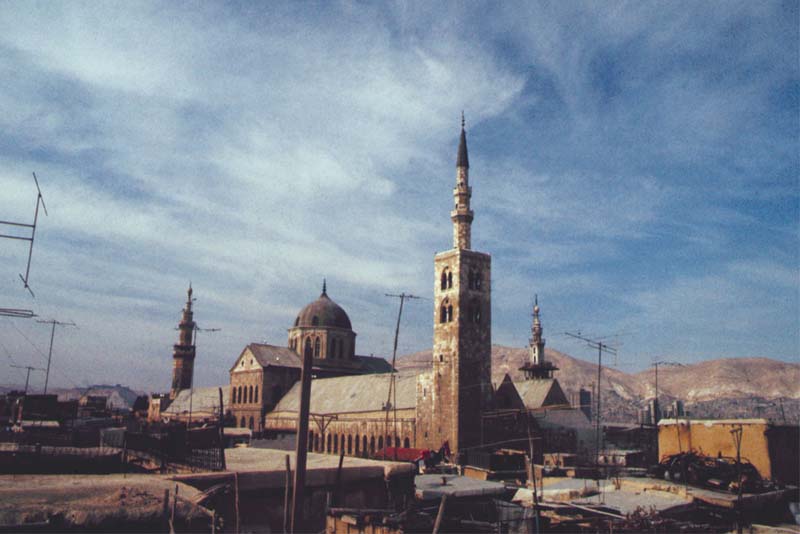
The
Umayyad Empire covered more than 5 million sq miles of land area in the Arab state in the past. This empire created the world’s best administration system, known as the “Golden period of Arab“. In this era, the city of Mecca and Damascus became their capital cities. It marks the top 10 largest Empires in the world.
7: British Empire: The Empire on Which the Sun Never Set
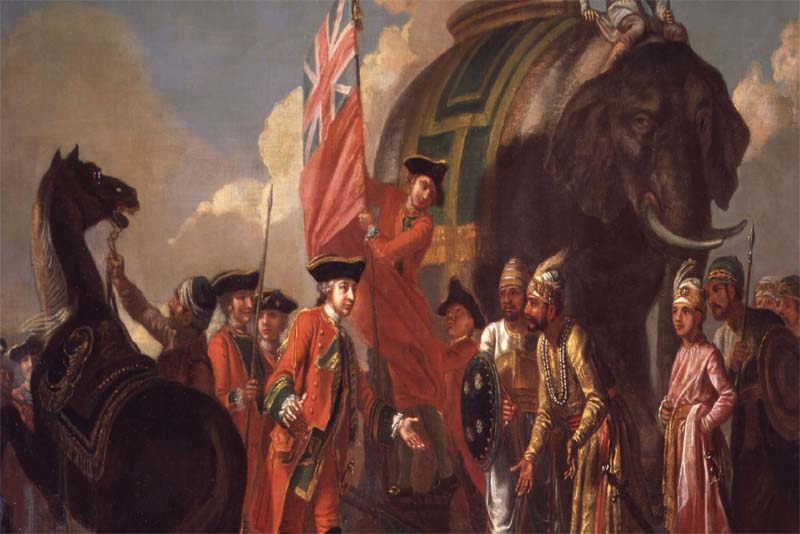
The British Empire consisted of its dominance, settlements, defenders, and different regional administrative rules of the United Kingdom. It was established between the 16th and 17th centuries. At that, it was one of the largest empires in history. In 1922, it held the largest population of almost 458 million people. Approximately, it was half a quarter of the globe’s population. It covered a land area of 13000,000 sq miles. It is also called that its sun will always shine across the world because of its linguistic, political, and cultural legacy.
6: Russian Empire: A Vast Eurasian Superpower
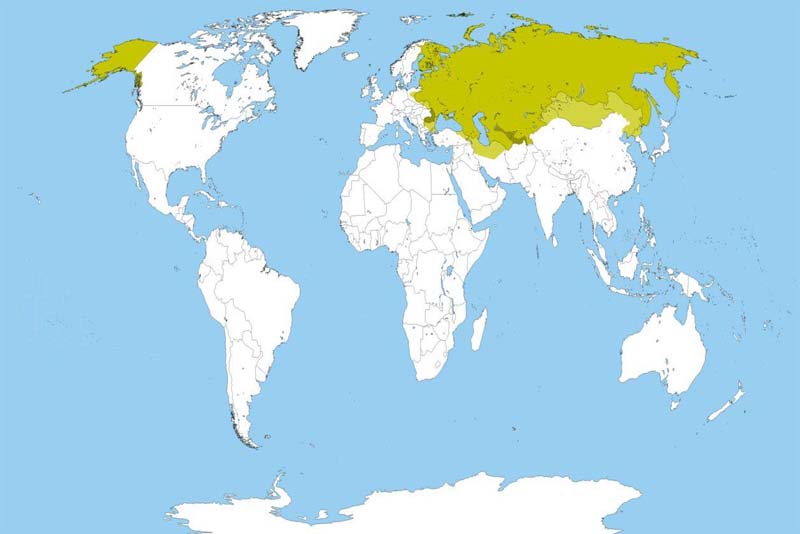
The Russian Empire existed until the revolution in 1917. In 1866, it extended from Eastern Europe, including Asia, to North America. At the start of the 19th century, it counted among the largest Empires in history. At that time, it expanded up to the Arctic Ocean to the north of the Black Sea from the Baltic Sea to the Pacific Ocean.
5: Mongol Empire: The Largest Contiguous Empire in History
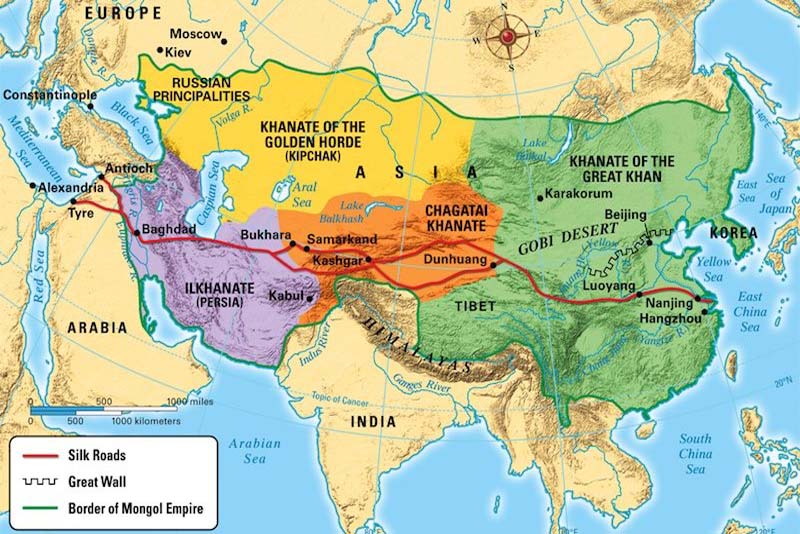
The Mongol Empire ruled from Eastern Europe to Asia in the period of the 13th and 14th centuries. It covered a total land area of 24,000,000 km sq. Because of its rule in large areas and a population of 100 million. It was marked as the largest Empire in history, and it was called the “Mongol World Empire”. Yet it split after the war succession in 1260-1264. In the year 1294, because of clashes, the Mongol empire was divided into four separate empires.
4: Abbasid Empire: A Golden Age of Islamic Civilization
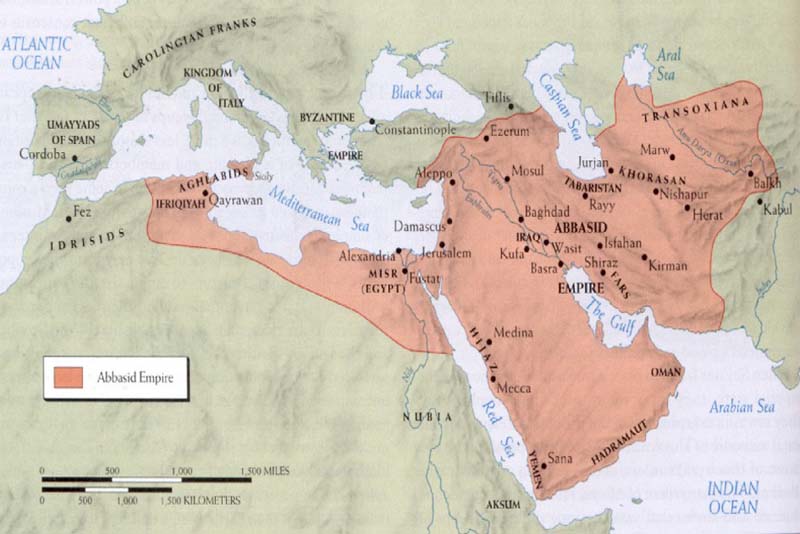
The Abbasid caliphate was the largest in Islam after Caliphate Rashida. This dynasty was established against the Umayyad Caliphate. The Abbasid Caliphate first established its government in Kufa, which is now a modern part of Iraq. In 762, the caliph Al Mansur first founded Baghdad, which is near the oldest Sasanian. It is called the “Islamic Golden Age” and is counted among the largest Empires in history. In this era, the value of the intellectual capacity of its pupils was increased, and they had the aim to fulfill it. In science, philosophy, and education, the caliphate’s intellectual power was the center of attention.
If ancient civilizations and their achievements interest you, be sure to explore the oldest temples in the world and learn about some of humanity’s earliest places of worship.
3: Tang Empire: China’s Golden Era of Prosperity
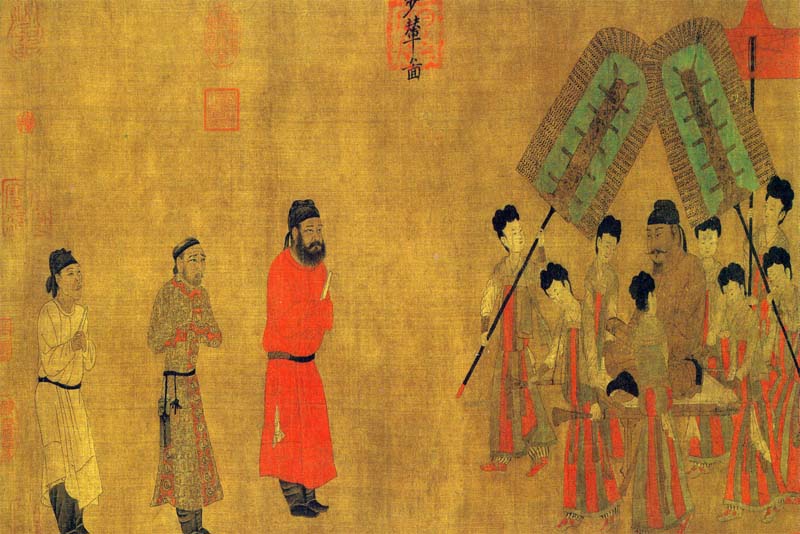
The Tang dynasty was the royal empire of China. This empire ruled from 618 to 907. This dynasty was a herald of the Sui dynasty. In its era, culture and art flourished. Its empire was based upon the 80 million public that was able to raise its huge army to fight against the inner forces of Asia. At that time, it was marked as the largest empire in history.
2: Roman Empire: A Legacy That Shaped the Modern World
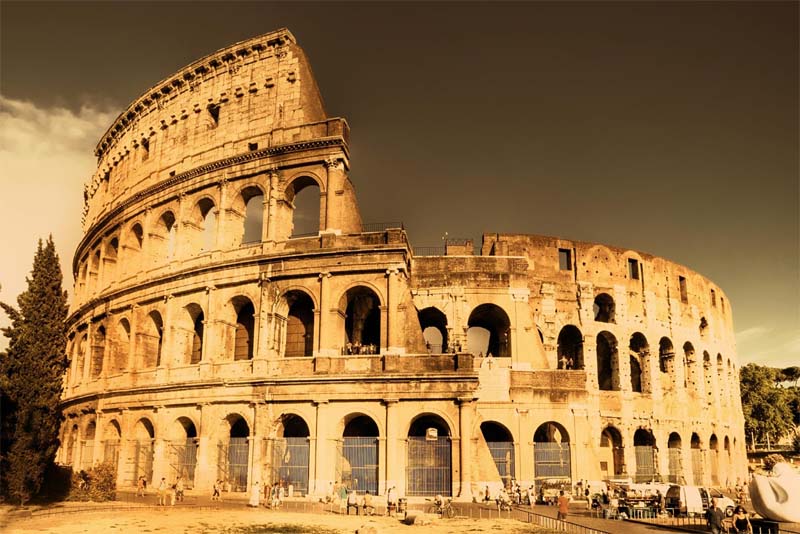
The Roman Empire was known as the post-Republican period of ancient Rome. This empire held a huge area around the Mediterranean Sea, Europe, North Africa, and West Asia. Its historical periods are divided into three periods. The period of the King, Republican Rome, and Imperial Rome. Several primary components of the modern world were influenced by the Roman Empire. Because it had a long-lasting influence on the development of language, art, religion, philosophy, law, etc. It was also one of the largest empires in history.
Readers fascinated by the Roman Empire may also enjoy these interesting facts about Roman amphitheatres and discover how these remarkable structures entertained millions in ancient times.
1: Mughal Empire: A Symbol of Wealth and Architectural Grandeur
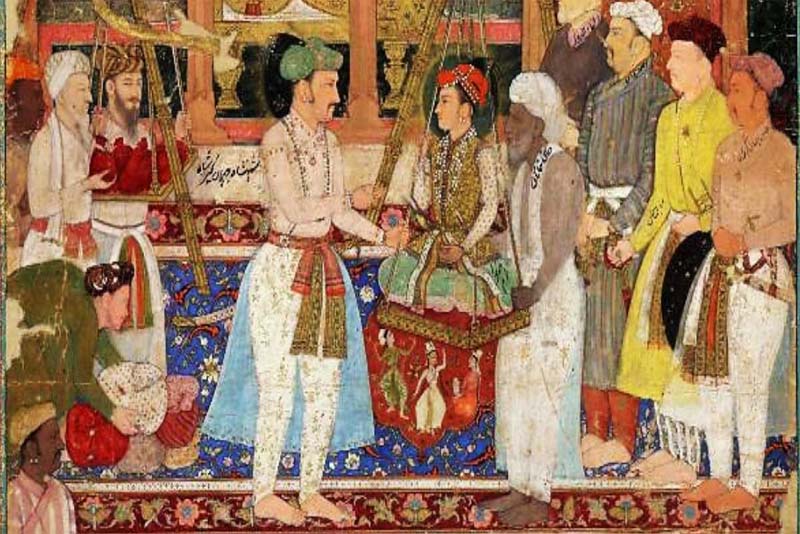
The Mughal Empire was known as the early modern empire in South Asia. It was founded in 1526 by Babur, who defeated the sultan of Delhi and Ibrahim Lodhi in the Panipat battle. This Mughal Empire was known as the largest Muslim Empire in history. It had ruled over a large population in the subcontinent for many years. It came to an end when the British Raj entered the subcontinent after the Indian Rebellion of 1857.
History enthusiasts who enjoy learning about the largest empires in history may also be fascinated by these lost cities in the world, many of which flourished under powerful civilizations before disappearing over time.
Largest Empires in History at a Glance
| Rank | Empire | Known For |
|---|---|---|
| 10 | Persian Empire | Ancient military and administrative strength |
| 9 | Spanish Empire | The first global empire |
| 8 | Umayyad Empire | Rapid expansion across three continents |
| 7 | British Empire | Largest empire by land area |
| 6 | Russian Empire | Vast Eurasian territory |
| 5 | Mongol Empire | Largest contiguous empire in history |
| 4 | Abbasid Empire | Golden age of science and culture |
| 3 | Tang Empire | Chinese prosperity and innovation |
| 2 | Roman Empire | Influence on modern civilization |
| 1 | Mughal Empire | Architectural and cultural achievements |
Frequently Asked Questions

SEO Expert | Founder of Depth World
Syed Aqib Bilal is an SEO & Digital Marketing Specialist and the Founder of Depth World. With extensive hands-on experience in search engine optimization, technical SEO, and content strategy, he specializes in building high-authority websites and driving sustainable organic traffic growth. Through Depth World, Bilal publishes well-researched, data-driven content focused on geography, world facts, natural wonders, and global discoveries.
With years of hands-on experience in search strategy, Bilal focuses on creating authoritative, reader-first content that simplifies complex topics and delivers accurate, research-backed information. His work aims to educate, inform, and make global knowledge accessible to everyone.
