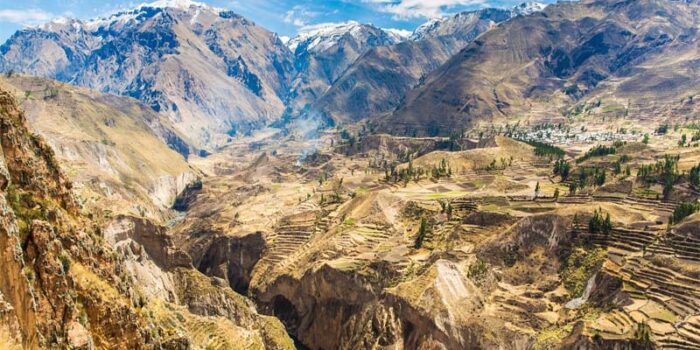
South America is a continent, but it may also be considered a subcontinent of America. It is the majority of European, Spanish, and Portuguese-speaking regions of the Americas. The orientation to South America as a substitute for other regions like Latin America or the Southern Cone has increased in the last few decades as a result of altered geopolitical dynamics. There are an ample number of natural landmarks that fascinate tourists from all over the world. Below are the top 10 natural landmarks in South America.
10. Perito Moreno Glacier – A Spectacular Natural Landmark in South America
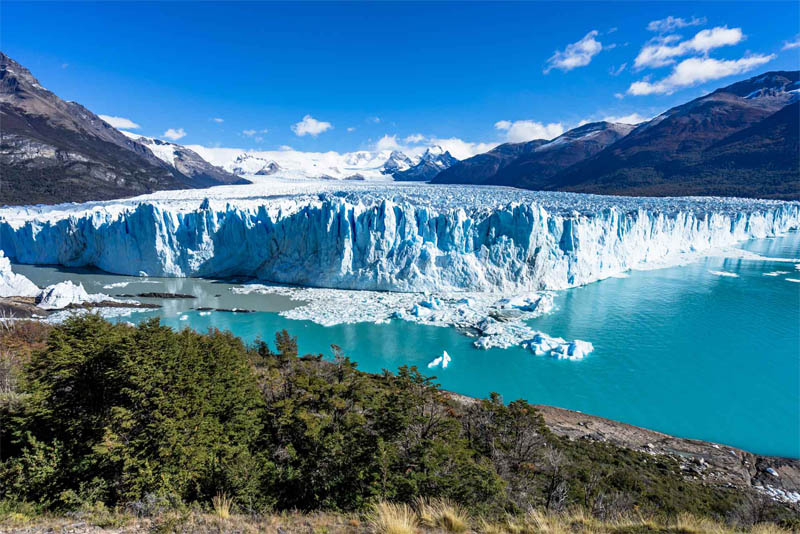
The Perito Moreno Glacier is one of the natural landmarks in South America. It is located in the Los Glaciares National Park, southwest of Argentina. This Perito is famous among tourists and has covered a large area of around 250 km sq and is still expanding. Around the world, this ice field is 3rd largest reservation of freshwater. The glacier boasts that, separated from ice slabs and icebergs, generating a breathtaking view.
9. Iguazu Falls – One of the Most Powerful Waterfalls in South America
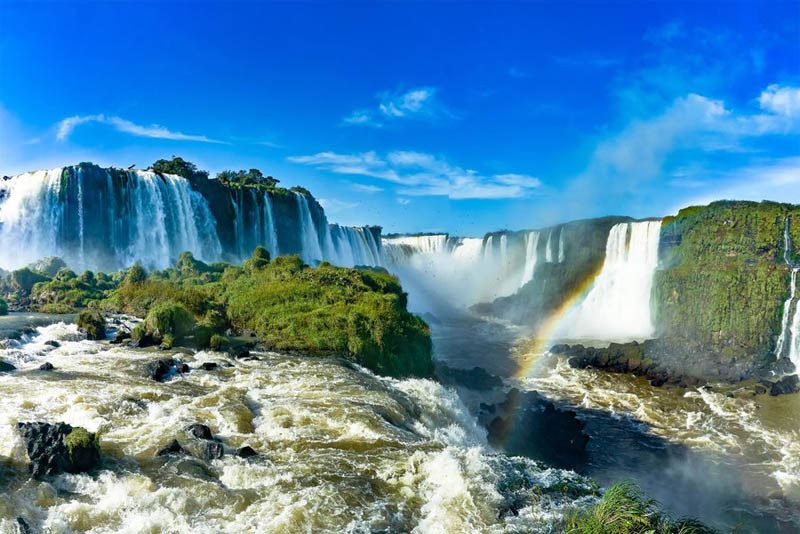
The majestic waterfalls of Iguazu that connect the borders of Argentina and Brazil are the largest waterfalls on Earth. These falls are dividing the river into the upper and lower sides of Iguazu. River Iguazu is rising close to the city of Curitiba, its most track flows through Brazil, which is why the waterfall is on Argentina’s side. These falls are not very large, comprising 275 cascades, which are creating a colossal volume of downfall at a height of 87 m. Many alleys surrounding the falls present several vantage spots for perfect photography. This is one of the most attractive natural landmarks in South America that is best for a visit.
8. The Amazon River – The Lifeline of South America’s Natural Landscape
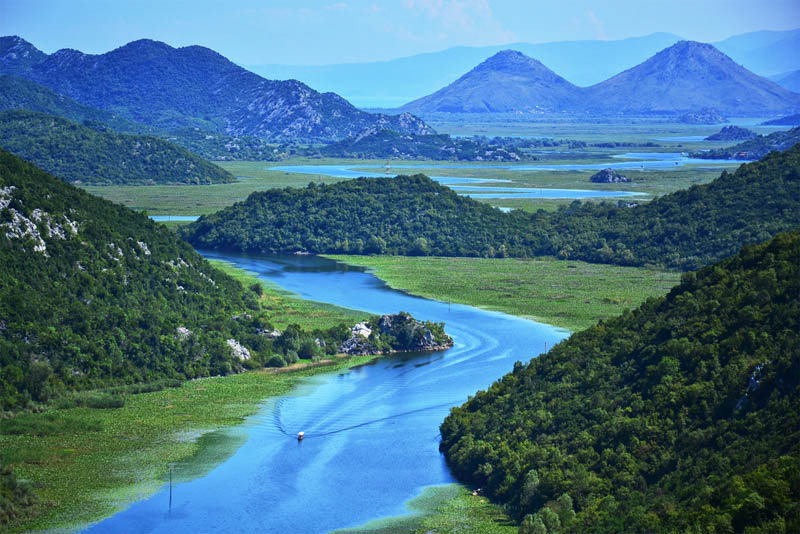
The biggest river on the planet, after the Nile River, commences its journey from Peru and then flows to Colombia and Brazil. The Amazon river’ basin is also the largest drainage basin in the world. It has a total area of around 7,050,000 sq km. The mysterious river flows through miles of dense forest, concealed tribes, and wildlife. Those who have an interest in nature shouldn’t miss this spot that is eco-friendly for tourists. It counts in magnificent natural landmark in South America.
7. Angel Falls – The World’s Highest Waterfall and a Natural Wonder
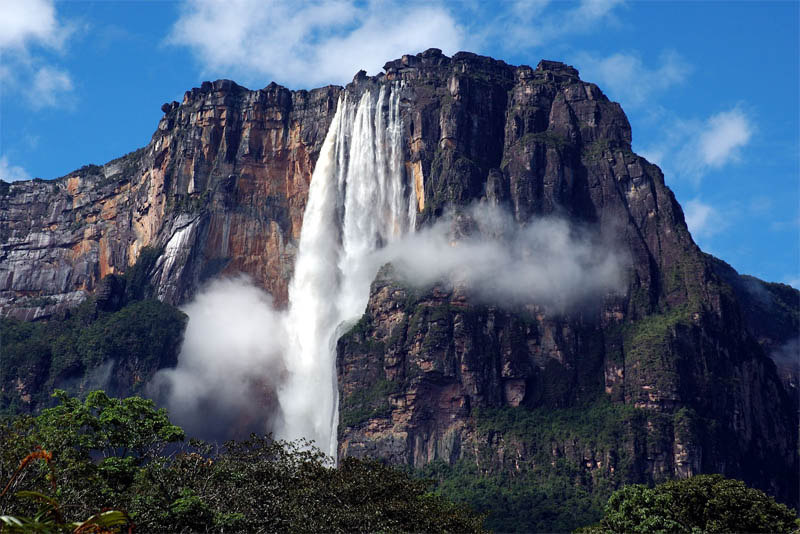
Angel falls that find in Venezuela is famous for being the “waterfall of the deepest place”. It is a huge fall, which is why it got this name “Angel Falls” with an enormous height of 979m. It is one of the UNESCO sites that protects it. This fall drops into the deep forest, which is why it is difficult to access. It includes the natural wonders and landmarks in South America.
6. Rio de Janeiro – A City Surrounded by Natural Landmarks
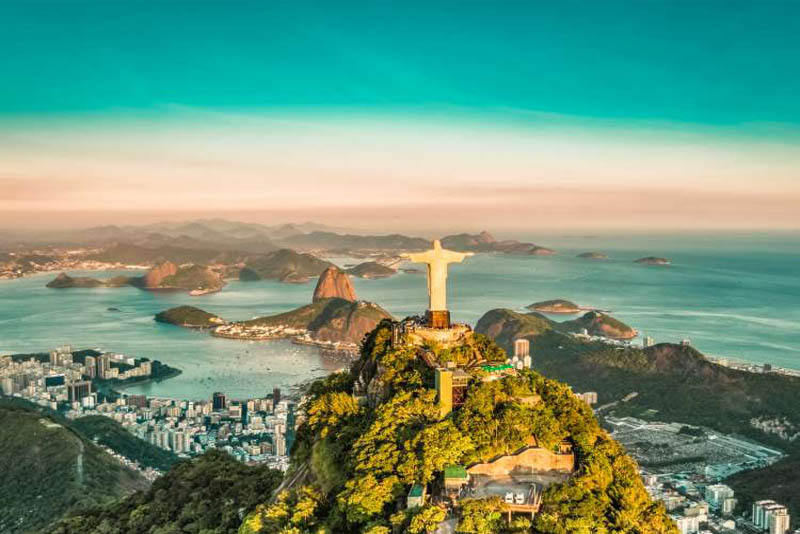
Rio de Janeiro is the 2nd most crowded municipality in Brazil. It is the main tourist attraction; millions of visitors come here to see the statue of “Christ the Redeemer” at the top of Corcovado mountain. Including it is famous for the Carnaval festival. It is one of the natural landmarks of South America.
Read More: Top 10 strangest lakes in the world
5. Laguna Colorada – A Striking High-Altitude Lake in South America
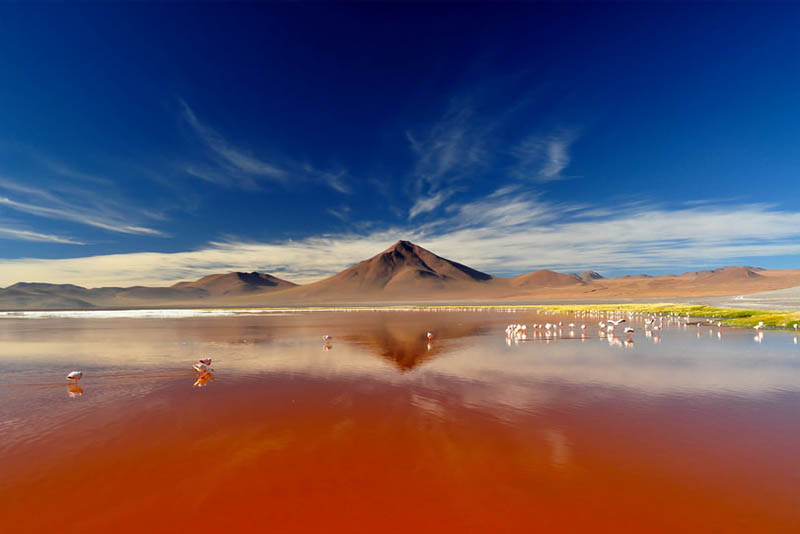
In the southwest of the altiplano of Bolivia, there is a shallow salt lake, “Laguna Colorada,” which consists of natural landmarks in South America. A fascinating thing is that this shallow lake has unique geology, and its water has become red and orange due to algae. This lake is famous because of the large number of flamingos that can be found here, which looks stunning. This lake has expanded from 513.18 to 14,277.17 km2. Its surroundings have high Andean endorheic, hypersaline, and brackish lakes. You can find here Andean and Chilean flamingos, but in rare numbers.
4. The Marble Caves – A Unique Natural Formation in Chile
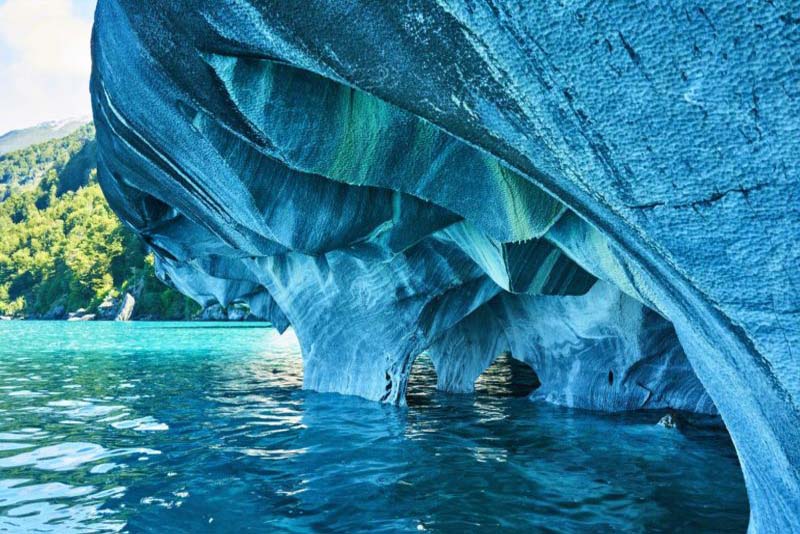
These are sequences of limestone caves that are situated close to the village of Florencecourt in Northern Ireland. These caves began to be called Marble caves due to the closeness of the marble arch and were generally made of marble. These exist near the Chilean part of the General Carrera Lake and the natural landmarks of South America. You can go by small boats to see through the marble caves there, as you will see clear, eye-catching turquoise water.
3. French Valley – A Scenic Trekking Destination in Patagonia
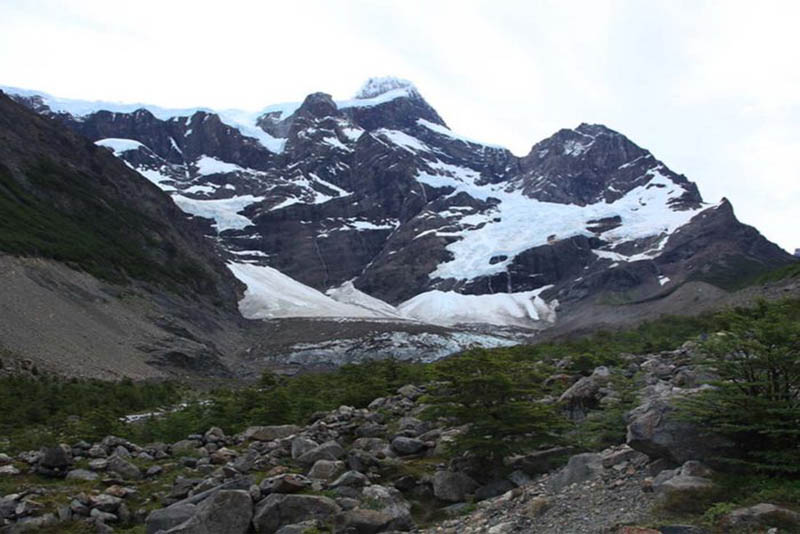
French Valley acknowledges the greater Inland Empire area of Southern California. In 1800, it was the hub of French grain peasants and shepherds, but after the Franco-Prussian War, its residents fled to America. It got this name, “French Valley,” from the California Conservation Commission report in 1913. Now it has become a natural landmark in South America after 1989, when it was reformed into wildlife areas by the California Department of Fish and Wildlife.
2. Puente del Inca – A Natural Rock Bridge in the Andes
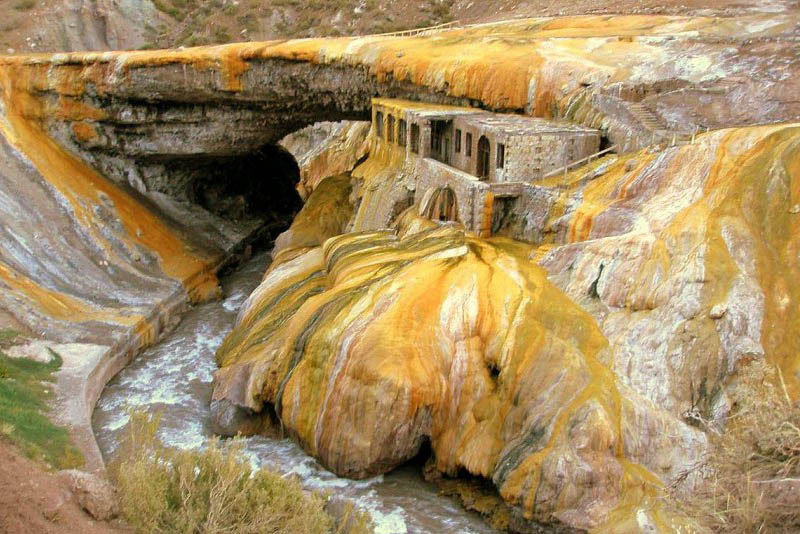
Puente del Inca is one of the natural wonders and landmarks in South America. It’s a natural arch bridge that is placed at the top of the Las Cuevas River. This natural bridge is having 48m and 8m width. Glaciers and hot springs are involved in making the arch above the river. The water that flows in the hot spring is abundant with natural minerals.
1. The Colca Canyon – One of the Deepest Natural Landmarks in South America
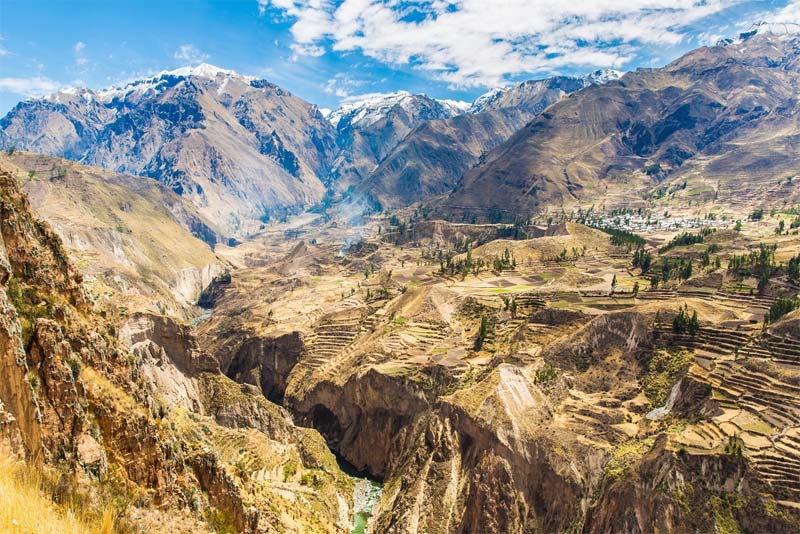
The Colca Canyon is located in Southern Peru near the Colca River, which is why it is called by its name. It stretches up to around 160 km northwest of Arequipa. In Peru, it is 3rd most famous, deepest, and crowded destination. Approximately 120,000 tourists come here annually. The Colca Valley is a multi-colored Andean valley with pre-Inca roots, featuring towns that originated during Spanish colonial times. It is still populated by people of the Collegua and the Cabana cultures, one of the natural landmarks in South America.

SEO Expert | Founder of Depth World
Syed Aqib Bilal is an SEO & Digital Marketing Specialist and the Founder of Depth World. With extensive hands-on experience in search engine optimization, technical SEO, and content strategy, he specializes in building high-authority websites and driving sustainable organic traffic growth. Through Depth World, Bilal publishes well-researched, data-driven content focused on geography, world facts, natural wonders, and global discoveries.
With years of hands-on experience in search strategy, Bilal focuses on creating authoritative, reader-first content that simplifies complex topics and delivers accurate, research-backed information. His work aims to educate, inform, and make global knowledge accessible to everyone.
