More than a million kinds of creatures exist on this Earth, having the longest lifespan. The expectancy of life can vary among animals. Creatures living under natural circumstances once seldom approach their most extreme conceivable, but age as a result of exceptionally high mortality rates because of newborn infant mortality, ailments, predators, terrible climate, living space demolition, or competition for food and shelter. Today, we shall discuss the 10 longest lifespan animals in the world.
10: Macaw Bird – Among the Longest Lifespan Animals With Vibrant Colors
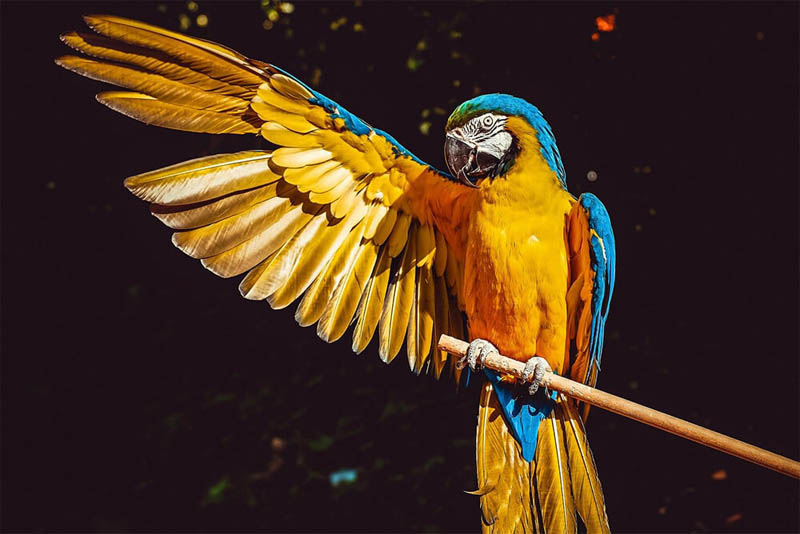
Macaw is lovely, dazzlingly colored, and has long tail members of the parrot family. It can live up to 60-80 years, although their breeding age ranges from 30 to 35 years. Most of the macaws are wild and rare and have wiped out. The Spix’s macaw has likely become extinct in nature. The regrettable fact is that most of the macaws are presently endangered in the wild, and a couple of areas are now threatened in natural life because of environmental ruin and the illegal pet trade.
The biggest macaw species run from around 20 inches and up to 42 inches, including their tail size. Presently, going through their life span, they can satisfy 60 to 80 years, while their rearing age ranges from 30 to 35 years. Small-scale macaws have a life span at the lower end, while a huge one with great sustenance can undoubtedly live for a time of over 50 years.
09: African Elephant – Majestic Giant With Remarkable Longevity
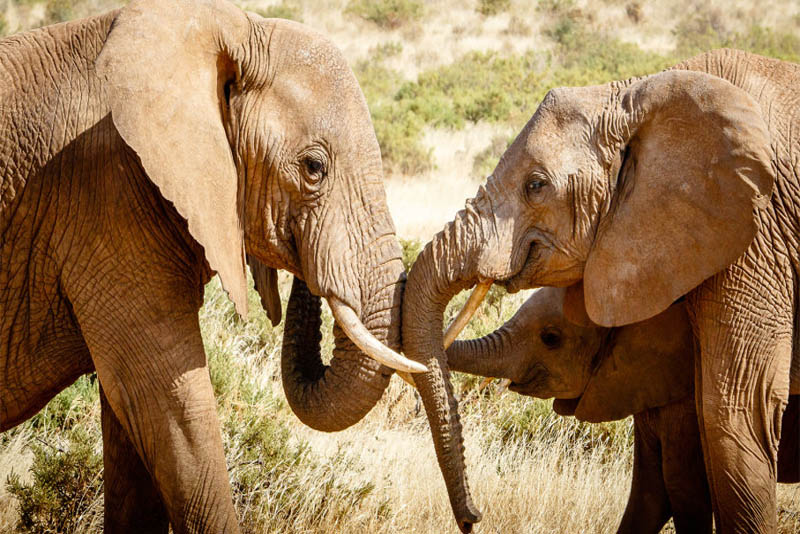
The longest-living animals have a normal life expectancy of 70 years, and an ongoing Zimbabwean examination has discovered that female African elephants can stay fertile until their death. Loxodonta is one of two extant species of the family. One kind of African elephant, the fence elephant, is one of the longest-lived terrestrial animals, while the forest elephant is the third-greatest. Their stout bodies lay on stocky legs, and they have indented backs. Their immense ears enable warm misfortune, and the upper lip and nose shape its trunk.
08: Longfin Eel – A Deep-Dwelling Fish With an Impressive Lifespan
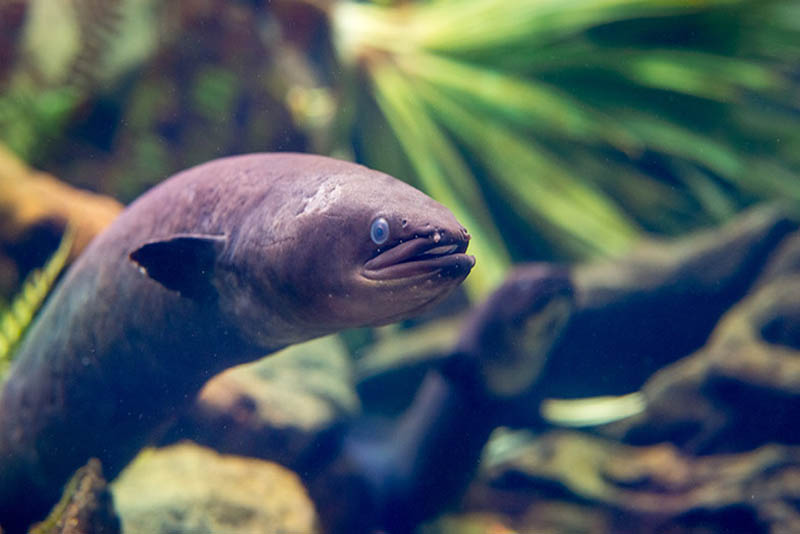
The Longfin eel is a type of freshwater eel that is widespread in New Zealand and Australia. These eels are seemingly perpetual, relocating to the Pacific Ocean close to Tonga to mature toward the end of their lives. They are acceptable climbers as adolescents find in streams and lakes far inland. A significant conventional food hotspot for Maori, longfin eels are undermined and declining, yet economically valuable. Just live up to 60 years, with the oldest and longest-living animals of Longfin Eel recorded as 106 years. Similar to the Greenland shark, these fish grow very slowly, which is why they can grow so long-lasting.
07: Tuataras – Ancient Reptiles That Defy Time
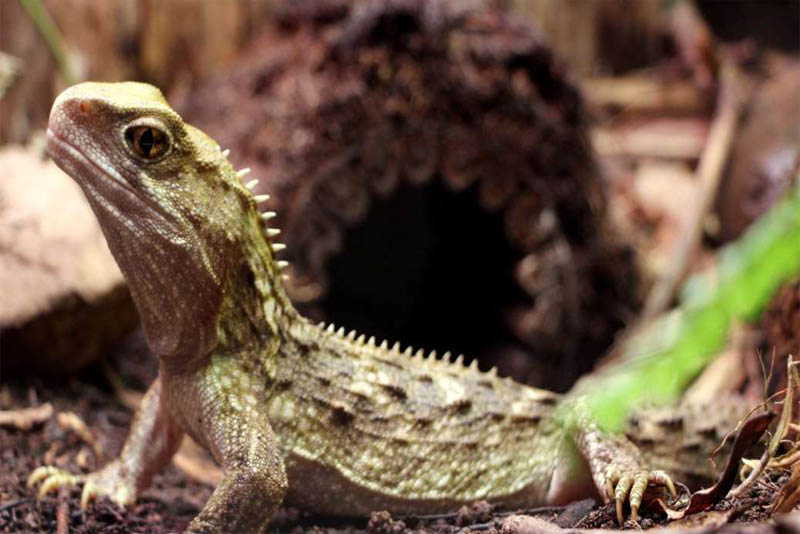
Tuatara is a kind of reptile that inhabitant of New Zealand. Although they have a resemblance to lizards, they are part of a different family, the order Rhynchocephalia. Their name comes from the Māori tongue and means “crests on the back”. The only kinds of tuatara are the fundamental enduring individuals from its solicitation, which emerged around 200 million years ago. Disregarding the fact that, like most reptiles, they have a bit of specific heredity.
Tuatara is greenish, dull shade and is hazy, and grows up to 80 cm from the rush toward tail-tip and weighs up to 1.3 kg with a spiked top along the back. Their dentition, where two lines of teeth in the upper jaw spread one segment on the lower jaw, is exceptional among living creature assortments. Tuatara, in all likelihood, has the slowest advancement pace of any reptile, continuing to expand for the underlying 35 years of their lives. The natural lifespan is around 150 years, yet they can live up to 200 years old, which is the longest lifespan among animals.
06: Red Sea Urchins – Slow-Growing Creatures With Long Lives
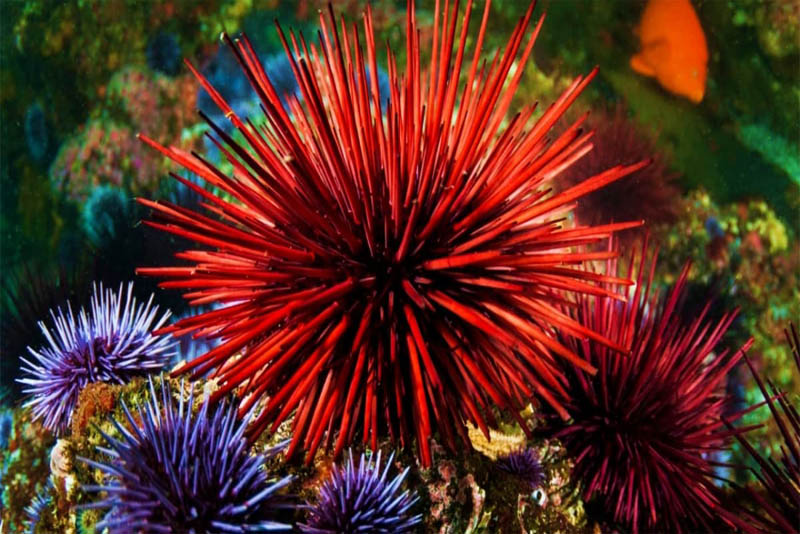
The Red Sea Urchin is found uniquely in the northeastern Pacific Ocean. It exists in shallow waters from the low-tide line to more than 100m deep in rocky shores protected by life-threatening wave action. Its sphere-shaped body is entirely shielded by sharp spines. These spines rise on a hard shell called the “test”, which encircles the animal. It can differ in color from red to dark burgundy. They can even recover or regenerate lost spines. It regularly surpasses 30 years. Researchers have seen a few examples that are more than 200 years old in the longest-lived animals. Red ocean urchins are famously eager kelp-eaters.
Discover the top 10 animals with the shortest lifespan
05: Bowhead Whale – Arctic Mammal With Century-Spanning Years
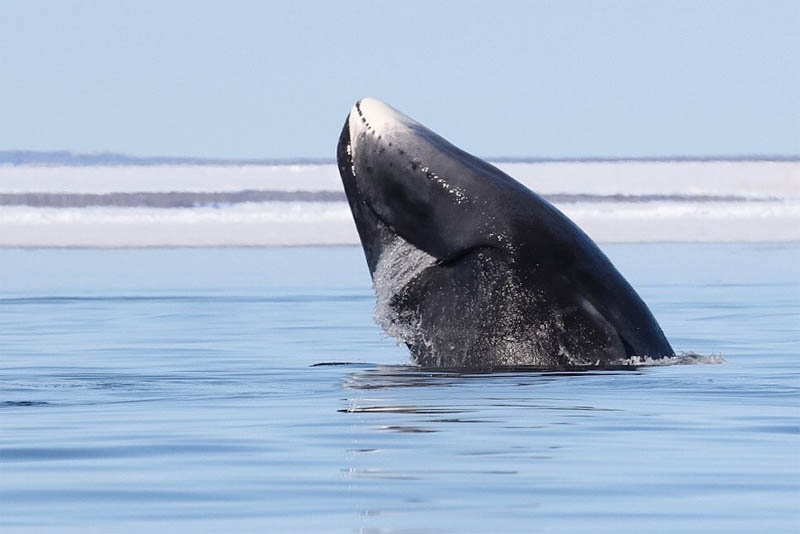
The bowhead whale is also famous as an Arctic whale, and it is considered the longest-lived animal in the world. A solid dim sort whale without a dorsal edge, it can grow up to 14 to 18 m long. It can be considered around 75-100 tons in weight. They exist in arctic and sub-Arctic seawaters, not to mention various whales that move to low extension waters to energize or reproduce. The bowhead was, in any case, called the Greenland right whale or Ice whale. American whalemen considered them the steeple-top, polar whale, or Russia or Russian whale. The bowhead has the largest mouth of any animal.
Bowhead Whale has a normal Life expectancy of More than 200 Years. One hundred maybe old for individuals and tortoises anyway, it’s nothing for the bowhead whale. Honestly, he’s simply modestly matured by then in his astoundingly long life. These kinds of whales can live for over 200 years.
04: Galapagos Giant Tortoise – Iconic Survivors With Extended Lifespan
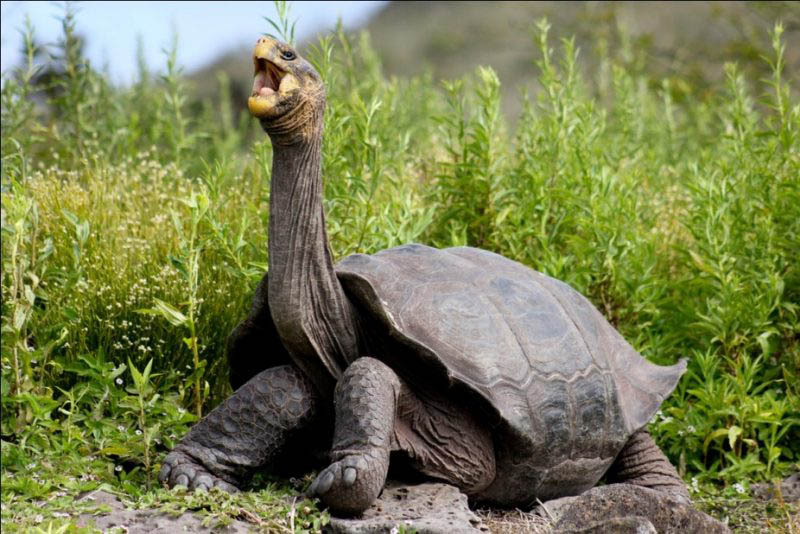
Tortoises have the longest lifespan of any vertebrate animal in the whole world. One of their most ancient representatives was Harriet. It is a Galapagos tortoise that expired due to cardiovascular breakdown at 175 years old in June 2006 at a zoo owned by the late Steve Irwin. The monster tortoises of the Galapagos Islands and Seychelles are exemplary instances of “isolated gigantism“. The propensity of creatures kept in island living spaces, untouched by predators, to develop to surprisingly enormous sizes. Also, these turtles have life expectancies that impeccably coordinate their 500-to 1,000-pound loads.
Enormous tortoises imprisonment has been known to live longer than 200 years, and there are many motivations to accept that Testudines in the wild normally hit the 300-year point. Similarly, as with a portion of different creatures on this rundown, the reasons behind the goliath tortoise’s life span are undeniable: these reptiles move very gradually, their basal digestion systems are set at an amazingly low level, and their life stages will, in general, be equivalently loosened up. For instance, the Aldabra monster tortoise takes 30 years to achieve sexual development, about twice the hour of a person.
03: Greenland Shark – Deep Sea Vertebrate With Extraordinary Longevity
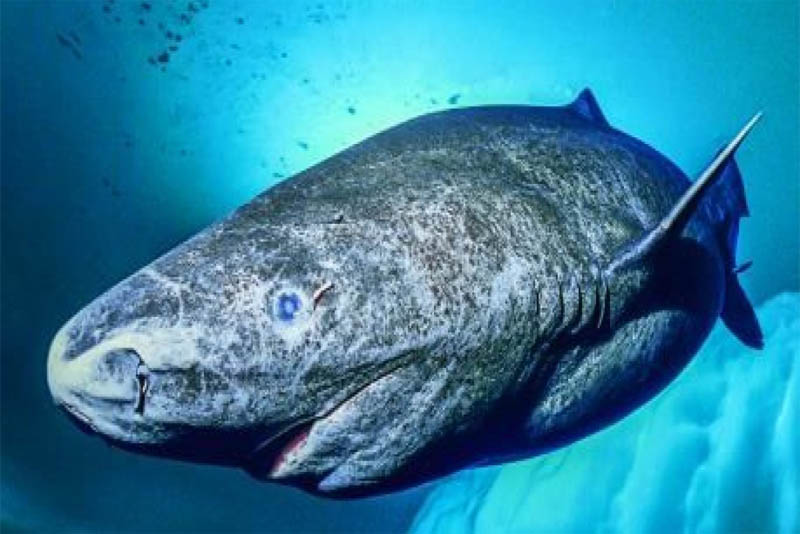
The Greenland shark is also recognized as the gurry shark, grey shark. It is a huge shark that is associated with the family of Somniosidae, “Sleeper sharks”. It is closely associated with the Pacific and southern sleeper sharks. The distribution of these classes is mostly constrained to the seawaters of the North Atlantic Ocean and the Arctic Ocean.
You can even put forth the defense that the Greenland shark is as risky as the star of Jaws, however, in an alternate way. Though it is an eager, incredible white shark that will eat you down the middle, the tissue of S. microcephalus is stacked with trimethylamine N-oxide, a compound that makes its meat harmful to people. However, the most outstanding thing about the Greenland shark is its 400-year life span.
This can be credited to its sub-freezing condition, its generally limited capacity to burn calories, and the security managed by the methylated mixes in its muscles. Incredibly, this shark doesn’t arrive at sexual development until it’s well past the 100-year point. A phase when most different vertebrates are explicitly idle as well as since a long time ago dead.
02: Ocean Quahog – Ancient Clam That Lives for Centuries
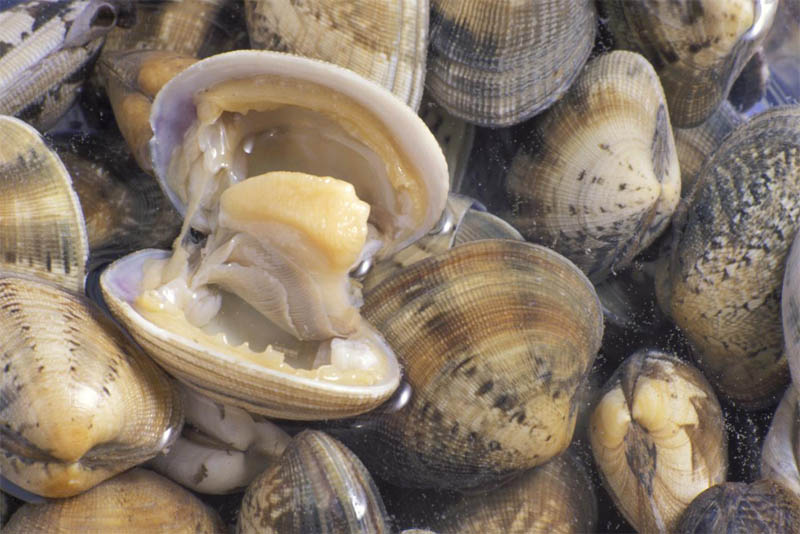
Ocean Quahog is also recognized as Arctica Islandica. It is a type of edible clam in the family Arctiidae. These species are native to the North Atlantic Ocean, and they are reaped commercially as a nutritional source. Specialists have decoded the dark concentric rings or groups on the shell as yearly checks, much like a tree has rings. Some gathered examples have been determined to be over 400 years of age. These animals show the longest lifespan with the most detailed age, for “Ming” the shellfish, of 507 years. The shellfish is so named because it would have been alive during the Ming Chinese Administration.
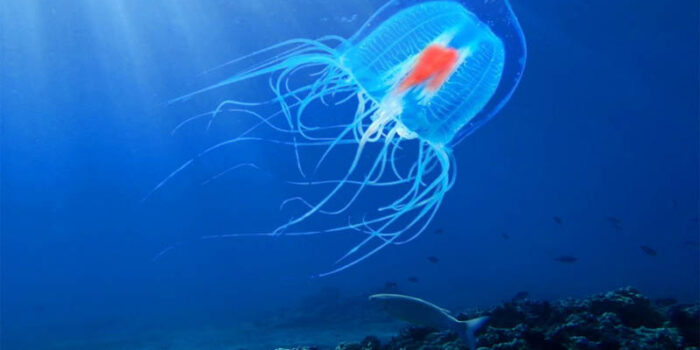
01: Turritopsis nutricula – The “Immortal” Jellyfish Defying Aging
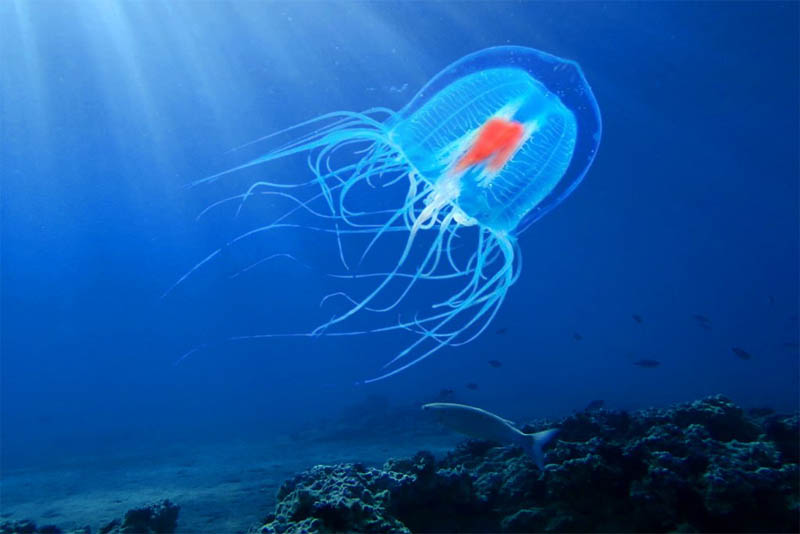
Turritopsis nutricula is recognized as a memorable Jellyfish are long-lasting. They are marine creatures with jam-like appendages and ringer for headway and catching prey. They are multi-organ species and are available in pretty much every marine biological system on the planet. Jellyfish have been here for more than 70 million years. These are considered the longest-living animals.
A portion of these might be venomous, while the others are offensive. These are certain species being the most venomous of the considerable number of creatures on Earth. This incorporates the case jellyfish, which can trigger heart failure in merely 5 minutes. They have no tangible organs and no all-around created sensory system, and lack a spine. They additionally need the heart and lungs, and breathe through the skin.

SEO Expert | Founder of Depth World
Syed Aqib Bilal is an SEO & Digital Marketing Specialist and the Founder of Depth World. With extensive hands-on experience in search engine optimization, technical SEO, and content strategy, he specializes in building high-authority websites and driving sustainable organic traffic growth. Through Depth World, Bilal publishes well-researched, data-driven content focused on geography, world facts, natural wonders, and global discoveries.
With years of hands-on experience in search strategy, Bilal focuses on creating authoritative, reader-first content that simplifies complex topics and delivers accurate, research-backed information. His work aims to educate, inform, and make global knowledge accessible to everyone.
